


3 min read
An Easy Guide to the Cannabis Testing Requirements in California

This guide summarizes California’s cannabis testing rules as described in the sources linked below. Regulations change, so check the Department of Cannabis Control’s current rules before relying on any figure here.
Beginning July 1, 2018, a California licensee could only sell cannabis goods that had been tested by a licensed testing laboratory and had passed all statutory and regulatory testing requirements. That date marked the end of the transitional exemption period: the transition period, which allowed exceptions from specific regulatory provisions, ended on June 30, 2018, and from July 1, 2018 cannabis goods had to meet all statutory and regulatory requirements.
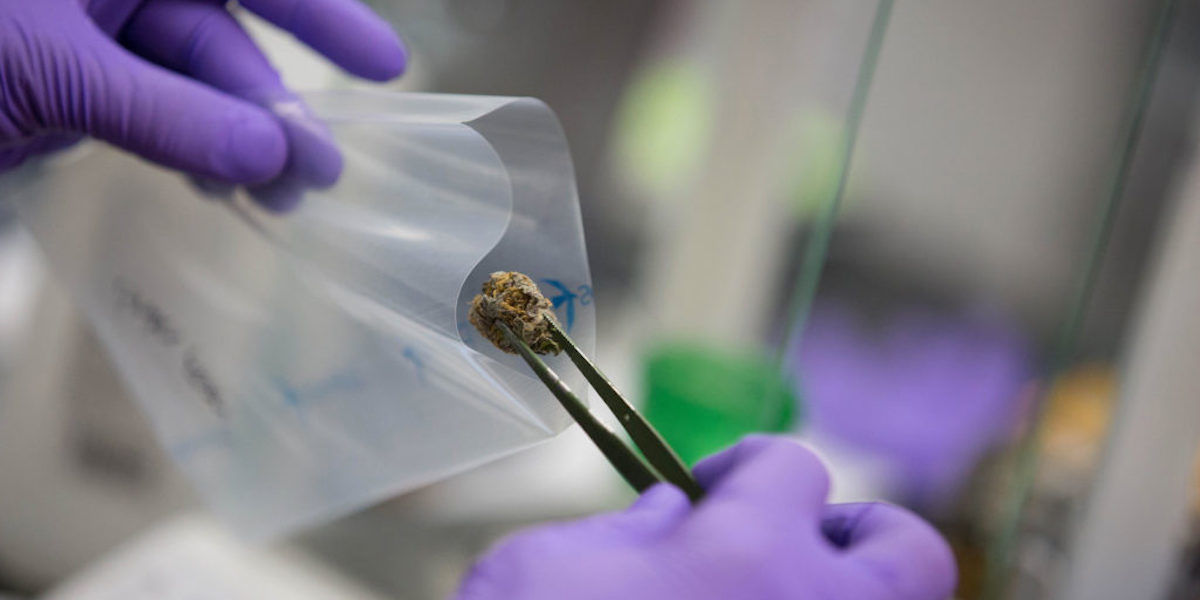
Distributors are responsible for arranging regulatory compliance testing. After taking physical possession of the entire batch, the licensed distributor contacts a licensed testing laboratory, which sends a laboratory employee to the distributor’s licensed premises to take a representative sample. Distributors do not carry samples to the lab themselves: the lab employee transports the sample, and the driver must be directly employed by the testing laboratory. To help cannabis industry professionals understand the process, we’ve put together this guide.
Who Sets the Testing Rules?
California’s testing requirements were first issued by the Bureau of Cannabis Control. Today, the Department of Cannabis Control explains distributor responsibilities for batch possession, representative sampling, chain of custody, certificates of analysis (COA), and passed or failed batches under the California Code of Regulations (CCR), Title 4. See the DCC’s representative sampling checklist for distributors.
What Tests are Required?
Pass/fail limits are not the same for inhalable and non-inhalable products. Microbial testing is one example. According to LIMSWiki’s summary of California’s cannabis testing regulations:
- An inhalable cannabis sample passes if shiga toxin–producing Escherichia coli, Salmonella spp. and the pathogenic Aspergillus species A. fumigatus, A. flavus, A. niger and A. terreus are not detected in 1.0 gram.
- A non-inhalable cannabis sample passes if shiga toxin–producing Escherichia coli and Salmonella spp. are not detected in 1.0 gram.
For the full list of required tests and limits for each product type, check the current CCR Title 4 regulations.
Who Collects the Sample?
Distributors do not take their own compliance samples. A testing laboratory employee must take the sample from the distributor’s premises, and the laboratory employee must obtain a representative sample from the entire batch at the distributor’s licensed premises. The DCC’s checklist also states that the distributor or its employees cannot assist the laboratory employee. Having the full batch in your possession before you arrange testing helps the process go smoothly.
What is the Maximum Batch Size?
How a batch is sampled depends on the type of product. Flower and other harvest batches are measured in pounds, and a harvest batch sampled for testing may not exceed 50.0 pounds.
A sample is built from increments: portions taken from different locations in the batch, both horizontally and vertically. For an unpacked harvest batch, the number of increments depends on the batch size, as shown in the table below. The combined sample should weigh 0.35% of the total harvest batch weight, though more can be taken if needed to get a representative sample for the required testing.
The California Department of Food and Agriculture’s cultivation regulations define a batch, or harvest batch, as a specifically identified quantity of dried flower or trim, leaves and other cannabis plant matter that is uniform in strain or cultivar, harvested in whole or in part at the same time and, if applicable, cultivated using the same pesticides and other agricultural chemicals. All of these conditions apply together.
Sample increments for unpacked harvest batches, as summarized by LIMSWiki:
| Harvest Batch Size (lbs.) | Number of Increments |
|---|---|
| 10 lbs. or less | 8 |
| 10.1 – 20.0 | 16 |
| 20.1 – 30.0 | 23 |
| 30.1 – 40.0 | 29 |
| 40.1 – 50.0 | 34 |
Manufactured cannabis products, such as concentrates, cartridges, pre-rolls and edibles, are measured by the unit. Under the consolidated DCC regulations, the sampler must collect at least the number of increments shown below for a cannabis product or pre-roll batch, and each increment is one packaged unit.
| Product Batch Size | Minimum # of Increments |
|---|---|
| 50 units or less | 2 |
| 51 – 150 units | 3 |
| 151 – 500 units | 5 |
| 501 – 1,200 units | 8 |
| 1,201 – 3,200 units | 13 |
| 3,201 – 10,000 units | 20 |
| 10,001 – 35,000 units | 32 |
| 35,001 – 150,000 units | 50 |
Will my Batch Pass Cannabis Testing?
If you want to make sure that your batch passes all of the cannabis testing requirements, consider research and development (R&D) testing before the official compliance sample is taken. This kind of testing can help you spot issues with your product before it goes through regulatory compliance testing.
Understanding the cannabis testing requirements helps every link in the supply chain stay compliant and protect consumers.
From IndicaOnline: if you keep each product’s lab results with its record in your dispensary POS software, staff can show customers that the product was tested for compliance.


